By E.K KING
The next space race may not be decided only by who launches the most rockets. It could be shaped by who builds the strongest partnerships, attracts the smartest startups, and turns space technology into solutions for everyday life.
When people think about the global space industry, the United States, China and Europe usually dominate the conversation. Yet Singapore – a country without a launch site – is steadily positioning itself as one of Asia’s most important meeting points for the future of the space economy.
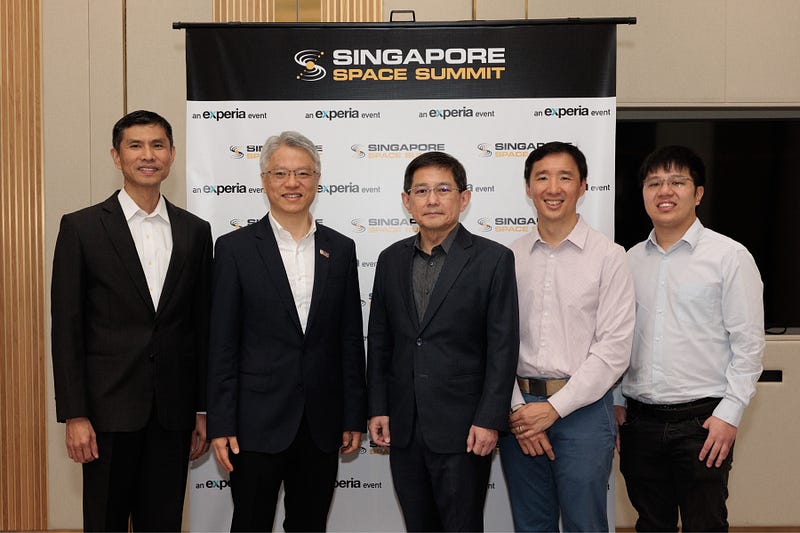
That ambition will be on display when the Singapore Space Summit 2027 returns on 25 – 26 February 2027 at Marina Bay Sands. Rather than focusing solely on satellites or launch vehicles, the summit highlights a broader vision: one where artificial intelligence, cybersecurity, commercial investment and international cooperation are becoming just as important as space exploration itself.
Why It Matters
The global space industry is evolving rapidly.
Space is no longer just about sending astronauts into orbit. Satellites now support navigation, disaster response, communications, agriculture, climate monitoring, financial services and critical infrastructure. As societies become increasingly dependent on these systems, discussions about resilience, cybersecurity and international cooperation are becoming central to the industry’s future.
This year’s summit reflects that transition.
Instead of concentrating on hardware alone, the programme focuses on how space technologies can strengthen economies, improve urban resilience and encourage responsible innovation across the Asia-Pacific region.
A Different Kind of Space Competition
One of the most notable themes is Technological Sovereignty, examining how countries can develop resilient supply chains and reduce dependence on critical technologies controlled elsewhere.
Another major focus is Dual-Use Technologies, recognising that many innovations developed for commercial purposes can also support national security, emergency response and disaster relief.
These conversations are increasingly relevant across Asia, where governments are investing heavily in satellite capabilities, Earth observation and secure communications while also seeking greater technological independence.
Importantly, the discussion is not simply about geopolitical rivalry. It is also about ensuring that technological progress contributes to economic resilience, public safety and regional stability.
AI Is Becoming a Space Technology
Artificial intelligence is another defining theme of the 2027 summit.
Sessions on AI-powered Digital Twins will explore how satellite imagery, geospatial intelligence and AI can help cities respond more effectively to floods, manage infrastructure, optimise transportation and prepare for climate-related disasters.
This demonstrates how space technology is becoming part of everyday life – even for people who may never think about satellites.
The future of space is increasingly connected to smarter cities rather than only deeper space missions.
Singapore’s Long-Term Strategy
Singapore is also expanding its role as a regional innovation platform.
The summit will feature a larger Singapore Pavilion, while a new partnership with global aerospace accelerator Starburst aims to connect startups with investors, governments and industry leaders.
Rather than competing with countries that manufacture rockets or operate launch facilities, Singapore is focusing on something different: becoming the place where governments, entrepreneurs, researchers and investors collaborate to shape the next generation of space technologies.
That strategy reflects Singapore’s broader approach to high-value industries – building influence through innovation, partnerships and global connectivity.
Looking Ahead
The organisers have not yet released the full list of speakers or participating companies, leaving open important questions about which international space agencies and commercial firms will attend.
Those announcements may provide a clearer picture of how the Asia-Pacific space ecosystem is evolving and where future partnerships are emerging.
What is already clear, however, is that the conversation about space is changing.
Success in the new space economy will depend not only on technological breakthroughs, but also on trust, cooperation and the ability to transform innovation into practical benefits for society.
In a world facing growing geopolitical tensions, space should remain a domain where international collaboration supports resilience, sustainable development and shared prosperity – rather than becoming another arena for confrontation.
Originally published on Medium on August 4, 2026.
 Asia Horizon Review