When people hear about eVTOL aircraft, many immediately imagine flying taxis above crowded cities.
By E.K KING
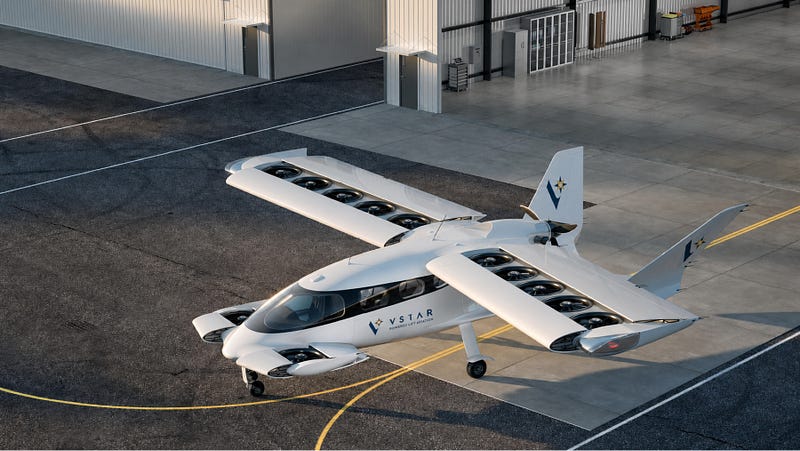
But the first large commercial opportunities may actually be in emergency services.
Canadian developer Horizon Aircraft has signed a Letter of Intent with Australia’s V-Star Powered Lift Aviation for up to 100 Cavorite X7 hybrid-electric VTOL aircraft, a deal valued at approximately US$600 million if all purchase options are exercised.
Unlike many battery-powered eVTOL concepts, the Cavorite X7 uses a hybrid-electric system. It takes off and lands vertically like a helicopter but transitions into conventional wing-borne flight for cruise, allowing significantly higher speeds and longer range.
For emergency medical transport, search-and-rescue missions and disaster response, those advantages could prove more valuable than simply replacing helicopters.
V-Star says the aircraft could nearly double the cruise speed of traditional helicopters while lowering operating costs – two factors that could dramatically improve emergency response in Australia’s vast remote regions.
The agreement also reflects a broader trend across the advanced air mobility industry. Instead of focusing solely on urban air taxi services, manufacturers are increasingly targeting practical government and public-service missions where faster transportation can immediately demonstrate economic value.
However, investors should remember this is only a Letter of Intent, not a binding purchase contract. Horizon Aircraft must still complete aircraft development, certification and production before deliveries can begin.
If successful, hybrid-electric VTOL aircraft may reach real-world operations through emergency services long before they become everyday urban air taxis.
Originally published on Medium on July 22, 2026.
 Asia Horizon Review