By E.K KING
When people think about war, they often picture fighter jets, missiles, or tanks. But behind every headline is a much quieter battle: making sure food, fuel, medicine, and equipment arrive where they’re needed. If that chain breaks, even the strongest military can struggle to keep going.
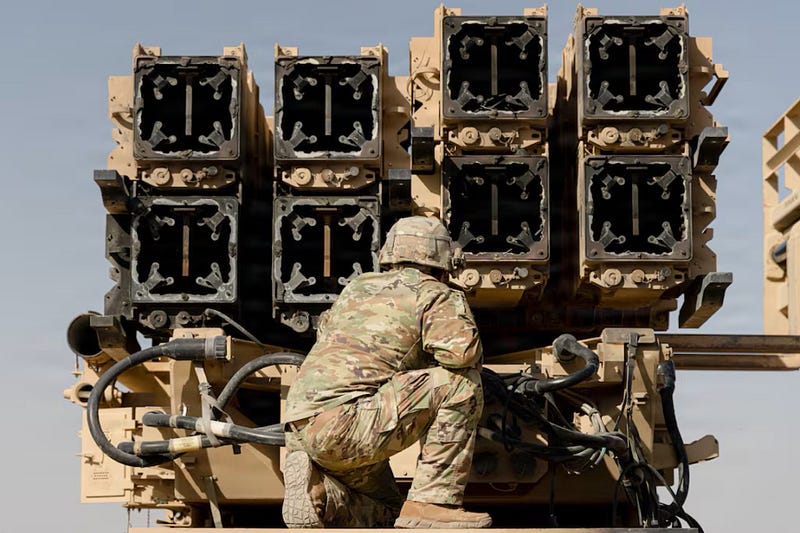
(U.S. Army photo)
War is often described through explosions and weapons, but one of its biggest challenges is something much less visible – logistics.
An opinion piece published by Defense News argues that modern conflicts have fundamentally changed. Today, supply routes themselves have become targets. Instead of attacking only soldiers on the front line, adversaries increasingly aim at ports, railways, warehouses, ships, and transportation networks that keep an army functioning.
A Battlefield That Most People Never See
Imagine your neighborhood supermarket.
If delivery trucks stop arriving, the shelves gradually become empty. It doesn’t matter how big the store is – without supplies, it cannot serve anyone.
Military logistics works in much the same way.
Fuel keeps vehicles moving. Ammunition supports defense. Medical supplies save lives. Food sustains troops and civilians involved in emergency operations.
When those supplies cannot reach their destination, the consequences extend far beyond the battlefield.
Why Modern Technology Matters
The article argues that today’s logistics systems need to do more than simply record where equipment was last seen.
New technologies – including satellite communications, mesh networking, and artificial intelligence – can help create a continuously updated picture showing where critical supplies are moving and whether they remain safe.
This allows commanders to identify disruptions earlier, reroute shipments when necessary, and better protect transportation networks before problems become crises.
In many ways, it resembles the navigation apps we use every day. Just as they suggest alternative routes when traffic builds up, future military logistics systems could automatically recommend safer paths when threats emerge.
Seeing the Whole Journey
Rather than viewing logistics as a series of disconnected steps, the proposed system follows equipment throughout its entire journey:
Factory → Warehouse → Port → Ship → Forward Base → Final Use
Knowing where supplies are at every stage helps decision-makers respond faster when circumstances suddenly change.
The goal is not simply efficiency – it is reducing uncertainty during moments when every decision can affect lives.
The Human Lesson Behind Logistics
Although this discussion focuses on military technology, its message reaches beyond defense.
Recent conflicts have shown how quickly wars consume resources – not only weapons, but also medical equipment, fuel, infrastructure, and humanitarian aid.
Every interruption creates additional hardship for those living through conflict.
Understanding logistics reminds us that war is never just about battles. It affects transportation, hospitals, supply chains, families, and entire communities.
Perhaps that is the article’s most important lesson.
The greatest achievement is not building smarter systems to fight wars – it is building societies capable of preventing wars from happening in the first place.
Because every convoy that never has to leave, every missile that never has to be fired, and every family that never has to flee represents the true measure of peace.
⸻
Why It Matters
Modern warfare is increasingly becoming a contest of resilience rather than firepower alone. Technologies that improve logistics can strengthen emergency response and military preparedness, but they also remind us of a deeper truth: the best supply chain is one that never has to support another devastating war.
Taiwan Perspective
For Taiwan, where maritime transportation and critical infrastructure are essential, resilient logistics are important not only for national defense but also for disaster relief and humanitarian response. Building stronger supply networks should ultimately serve one goal – protecting people’s lives and preserving peace.
Originally published on Medium on July 21, 2026.
 Asia Horizon Review