Europe is beginning to change how it buys weapons.
By E.K KING
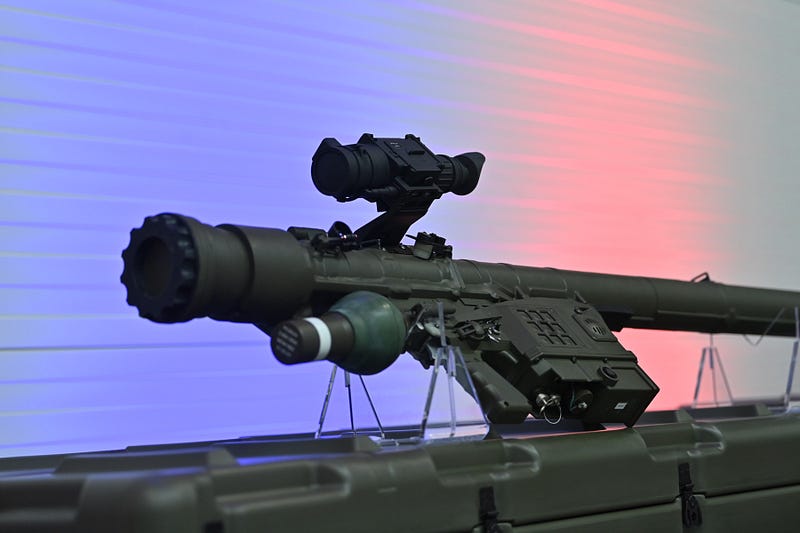
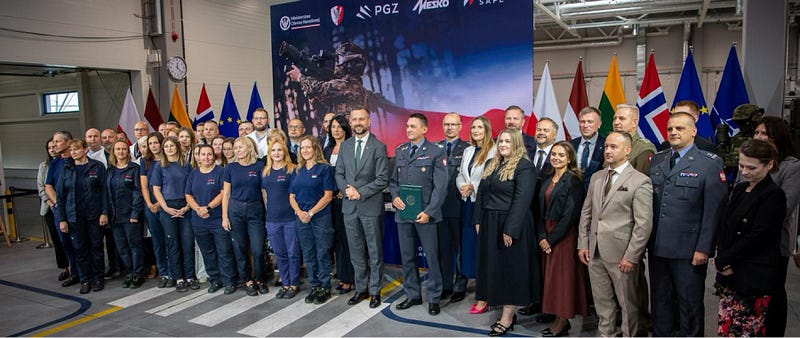
Poland, Norway, Lithuania and Latvia have signed a framework agreement worth more than 8 billion zloty (about US$2.2 billion) to jointly purchase Poland’s Piorun man-portable air defense system. The agreement covers several thousand missiles and several hundred launch units, with deliveries scheduled through 2030.
The size of the order is significant, but the bigger story is how it will be carried out. Instead of each country placing separate orders, the four nations will buy the systems through a single joint procurement program led by Poland. The agreement highlights a broader European effort to strengthen regional defense through shared procurement, shared financing and expanded industrial production.
Why Is Poland Leading the Program?
Unlike a traditional arms purchase, this agreement places Poland in charge of coordinating procurement for all four countries.
The reason is straightforward. The Piorun missile is manufactured by Poland’s state-owned defense group PGZ, and more than 80% of the equipment purchased under the agreement will be delivered to the Polish Armed Forces. As both the manufacturer and the largest customer, Poland is in the best position to manage contracts, deliveries, training and long-term logistics.
For Norway, Lithuania and Latvia, joining a single procurement program reduces administrative work and avoids separate negotiations. It also allows participating countries to share training, maintenance and spare parts while enabling the manufacturer to schedule larger production runs and deliver equipment more efficiently.
Europe Is Building a New Procurement Model
The agreement also reflects the European Union’s broader defense strategy.
Poland plans to finance its purchase through the EU’s Security Action for Europe (SAFE) initiative, which supports defense investment through low-cost loans. Beyond providing funding, SAFE is designed to encourage member states to purchase military equipment together rather than independently.
The goal is not only to reduce costs but also to strengthen Europe’s defense industrial base. Larger, coordinated orders give manufacturers greater confidence to expand production capacity while helping European countries replenish military equipment more quickly.
In recent years, the EU has increasingly emphasized stronger defense cooperation. Joint procurement is becoming one of the practical ways to achieve that goal.
Why Are Man-Portable Air Defense Systems Back in Focus?
The Piorun is a man-portable air defense system (MANPADS), a shoulder-fired missile designed to engage low-flying aircraft such as helicopters, drones and other aerial threats.
Recent conflicts have shown that drones, cruise missiles and other low-altitude threats have become central features of modern warfare. While large air defense systems remain essential, smaller portable systems provide frontline forces with a fast and flexible layer of protection at a much lower cost.
Growing demand has already affected production. According to PGZ, annual Piorun missile output has increased from around 300 missiles to 1,500, with plans to expand beyond 2,000 missiles per year.
More Than a Missile Purchase
This agreement is about more than acquiring another air defense system.
It reflects two major trends shaping European defense. First, countries are investing heavily in short-range air defense as missiles, drones and other low-flying threats become more common on today’s battlefield. Second, Europe is moving toward a procurement model based on shared purchasing, shared financing and stronger industrial cooperation.
In the years ahead, military strength will depend not only on how many weapons a country owns, but also on how quickly those weapons can be produced, delivered and replaced when demand suddenly increases. This agreement suggests that Europe sees industrial capacity and multinational cooperation as becoming just as important as the weapons themselves.
Originally published on Medium on August 26, 2026.
 Asia Horizon Review